Hemkund Sahib Yatra

About Hemkund Sahib

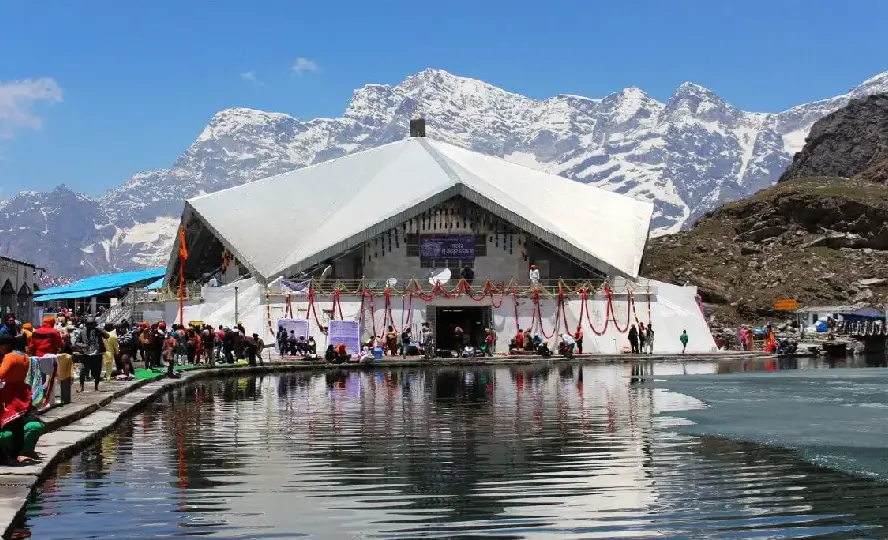
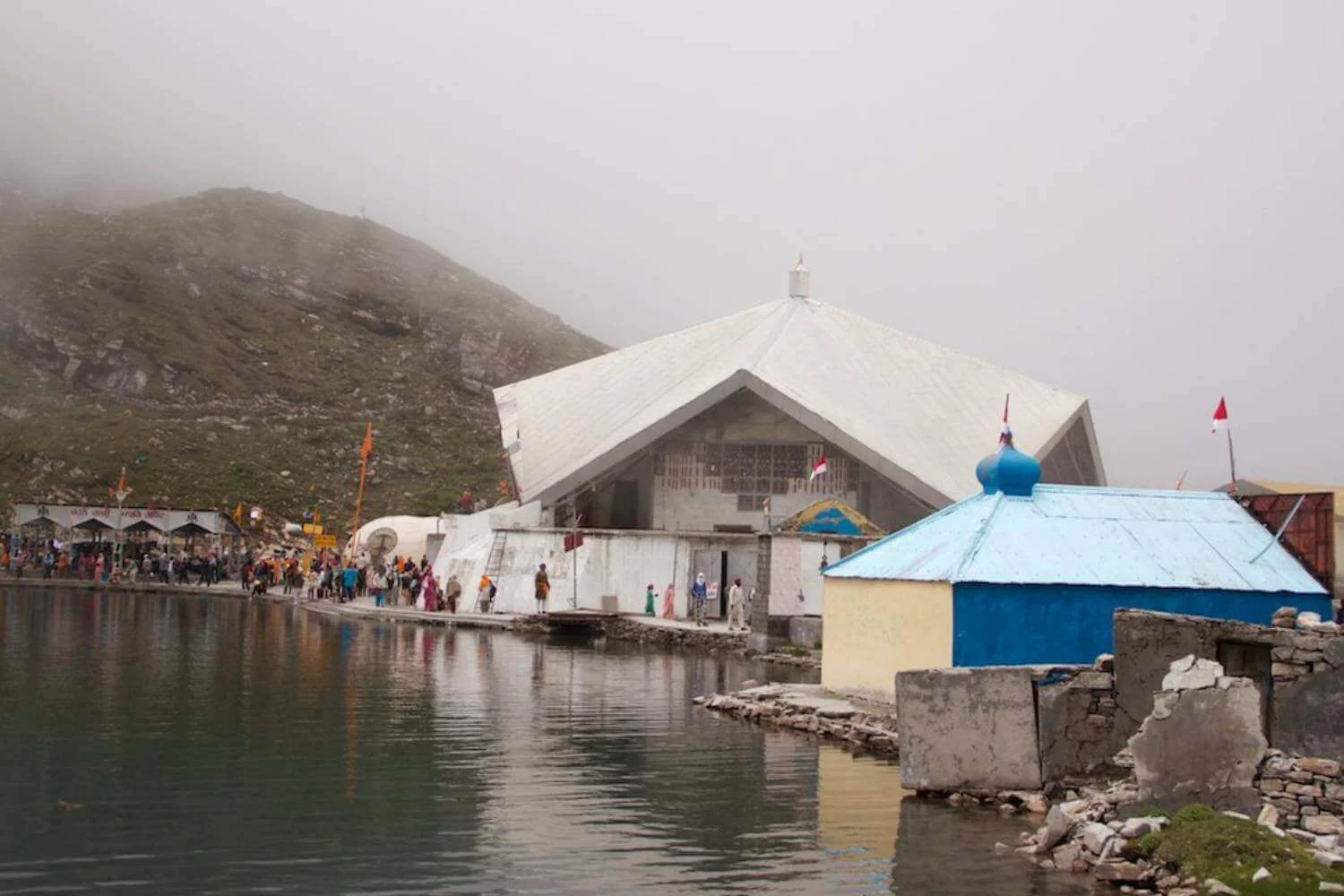
Hemkund Sahib is a sacred Sikh pilgrimage site associated with Guru Gobind Singh Ji, the tenth Sikh Guru. Located at an elevation of about 4,329 metres, the shrine is popularly known as Gurudwara Sri Hemkund Sahib Ji. The holy site is situated in the Chamoli district of Uttarakhand, beside the pristine Hemkund Lake, surrounded by the majestic Himalayan mountains.

Local residents also refer to the lake as Lokpal Lake. Pilgrims traditionally visit the Gurudwara first before taking a holy dip in the sacred lake. The lake lies at an altitude of approximately 15,000 feet, and a small stream originates from it. The surrounding mountain peaks are adorned with the Nishan Sahib, the sacred triangular Sikh flag.

Every year, thousands of devotees from across the world visit this divine destination. The Hemkund Sahib Yatra is considered one of the most challenging pilgrimages in Uttarakhand due to its high altitude and trekking route. With the assistance of Pilgrim Tour and Travels, devotees can plan their journey smoothly. Pilgrims usually begin their trek from Govindghat, located on the Rishikesh–Badrinath Highway, close to Joshimath. Despite the difficult terrain, devotees reach this holy shrine with great faith and devotion.

Important Information About Hemkund Sahib

Nearby Attractions:

Hemkund Lake, Valley of Flowers, Ghangaria, Mana Village, Badrinath Dham, Sheshnetra, Tapt Kund, Nanda Devi National Park.

History of Shri Hemkund Sahib

According to Sikh religious texts, Guru Gobind Singh Ji performed deep meditation near the sacred Hemkund Lake during one of his previous lives for several years. This holy place is also mentioned in the autobiography of Guru Gobind Singh Ji, Bichitra Natak, but it remained undiscovered for more than two centuries.

The search for this sacred location began in the 19th century, and in 1884, Pandit Tara Singh Narotam successfully identified the site. Later, the renowned Sikh scholar Bhai Vir Singh played an important role in promoting the spiritual importance and popularity of this sacred shrine.

Today, many pilgrims visit this divine place every year with the support of travel services such as Pilgrim Tour and Travels, which helps organise comfortable pilgrimage journeys.

Opening and Closing Dates of Shri Hemkund Sahib

Hemkund Sahib remains open for devotees only for a limited period each year due to extreme weather conditions in the Himalayas. The pilgrimage season generally begins in May and continues until October.

Opening Date: 25 May 2026 (Tentative)
Closing Date: 11 October 2026 (Tentative)

Pilgrims planning their journey through Pilgrim Tour and Travels can arrange their travel during this period for a smooth pilgrimage experience.

Religious Significance of Hemkund Sahib Yatra

Hemkund Sahib holds immense spiritual importance in Sikhism. Devotees believe that Guru Gobind Singh Ji, the tenth Sikh Guru, meditated at this sacred location beside the serene Hemkund Lake in a previous life. Sikh scriptures, including the Dasam Granth, also mention that King Pandu once performed meditation and practiced yoga at this holy place.

The name Hemkund comes from Sanskrit, where “Hem” means snow and “Kund” means bowl-shaped lake.

The site is also respected by Hindus as it is believed to be mentioned in ancient epics like the Ramayana and Mahabharata. According to legends, Lord Lakshmana, the brother of Lord Rama, meditated here along with Rishi Medhasa. Many pilgrims visiting Hemkund Sahib also visit the nearby Lakshmana Temple.

Another legend states that after being injured in the battle with Meghnath, Lord Lakshmana was brought near Lokpal Lake. Lord Hanuman then revived him using Sanjivani Booti, and the gods showered flowers from the sky. It is believed that these flowers later formed the beautiful Valley of Flowers, which is now a famous tourist attraction.

Pilgrims travelling with Pilgrim Tour and Travels often combine the Hemkund Sahib journey with visits to nearby spiritual and natural destinations.

Places to Visit Near Hemkund Sahib

During the Hemkund Sahib Yatra, travellers can also explore several beautiful natural and spiritual attractions nearby.

Hemkund Lake

Hemkund Lake lies right beside the sacred Gurudwara. Locally known as Lokpal Lake, it is surrounded by breathtaking Himalayan peaks rising to nearly 15,000 feet. The lake is fed by glaciers from Saptarishi Peak and Hathi Parvat, and the stream Himaganga originates from it. Pilgrims are advised to first visit the Gurudwara and then take a holy dip in the lake.

Valley of Flowers

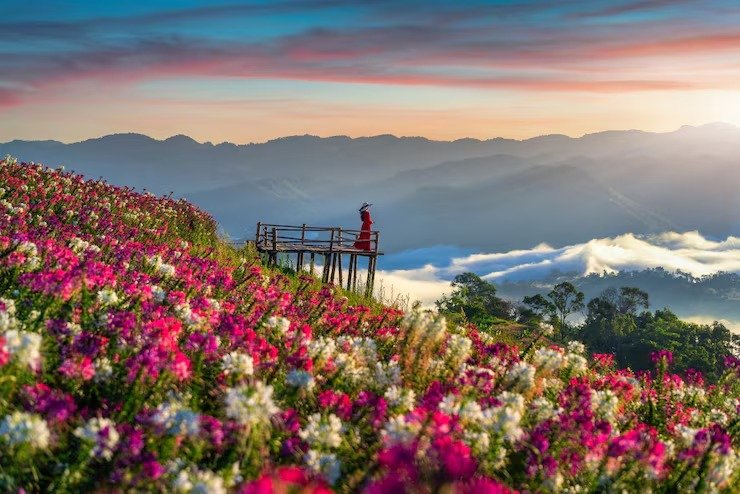
The Valley of Flowers covers an area of about 87 square kilometres and offers an unforgettable experience for visitors. Located at an altitude of 3,600 metres, it is a UNESCO World Heritage Site and part of the Nanda Devi Biosphere Reserve. The valley is home to more than 600 species of flowers, including orchids, poppies, marigolds, daisies, and anemones. Visitors can also witness waterfalls, flowing streams, and rich wildlife such as Himalayan black bears, red foxes, snow leopards, flying squirrels, and grey langurs.

Ghangaria

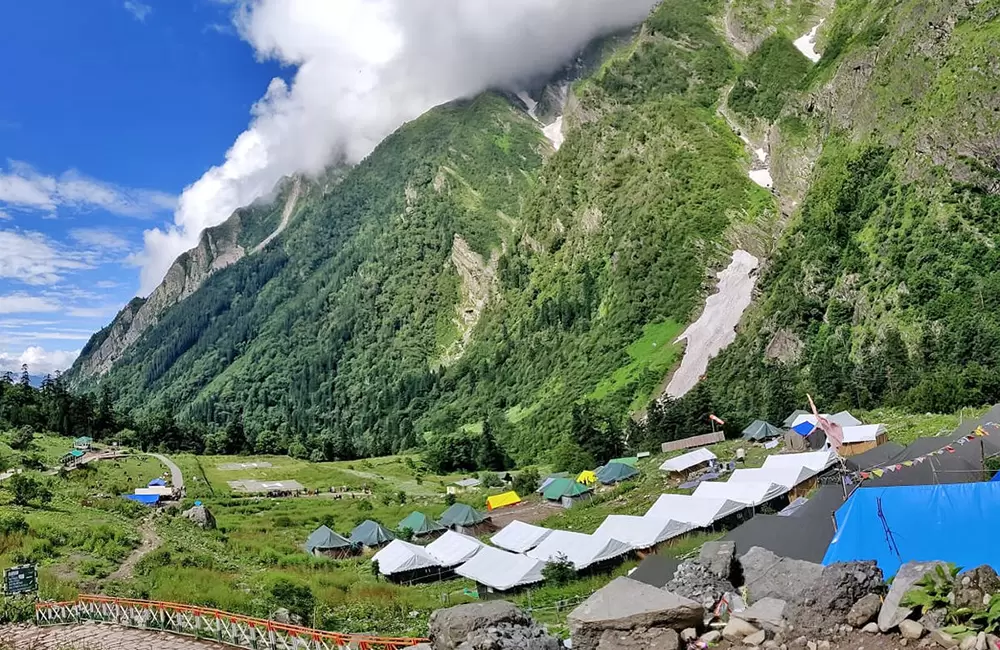
Ghangaria serves as the base camp for travellers heading to Hemkund Sahib and the Valley of Flowers. Located at an altitude of 3,050 metres, it is the final inhabited settlement before reaching the valley. The place lies at the meeting point of the Pushpawati and Hemganga rivers, which later form the Lakshman Ganga. Ghangaria also has a helipad and can be reached after a 13-kilometre trek from Govindghat.

Badrinath Temple

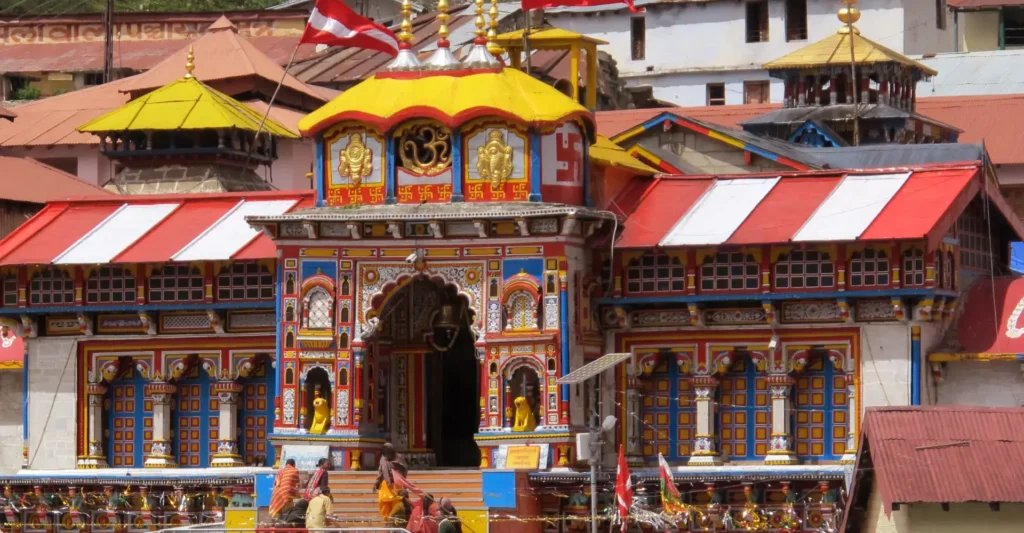
Badrinath Dham is one of the four sacred Char Dhams and a major Hindu pilgrimage destination. Situated at an altitude of 3,100 metres, the temple lies on the banks of the Alaknanda River in the Garhwal Himalayas. The temple, believed to have been established by Adi Shankaracharya in the 8th century, attracts thousands of devotees every year. Due to heavy snowfall, the temple remains open only for about six months annually.

Mana Village

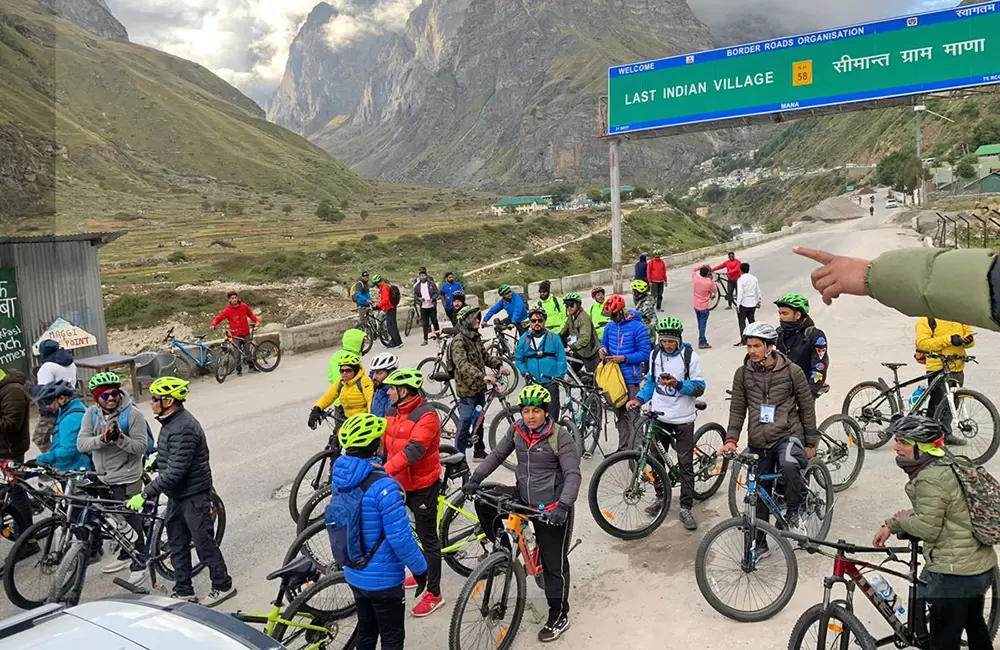
Mana Village is known as the last village of India before the Indo-China border. Located near the Saraswati River, the village is inhabited by the Bhotia tribe, known for their unique culture and traditions. The village is only 3 kilometres from Badrinath Temple and offers stunning views of the surrounding mountains.

Sheshnetra

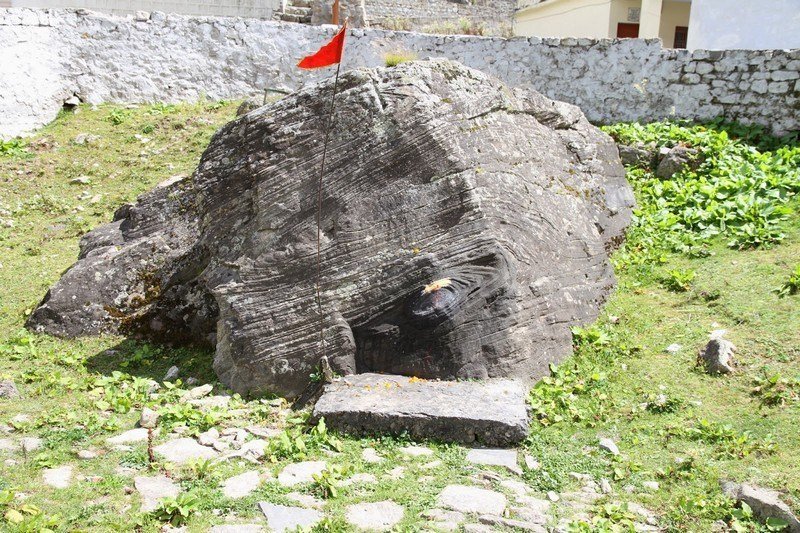
Sheshnetra is a massive rock formation located near Badrinath Temple. The rock resembles the eye of the mythical serpent Sheshnag, which gives it its name. The site lies between two small seasonal lakes on the banks of the Alaknanda River and has become a popular tourist attraction.

Tapt Kund

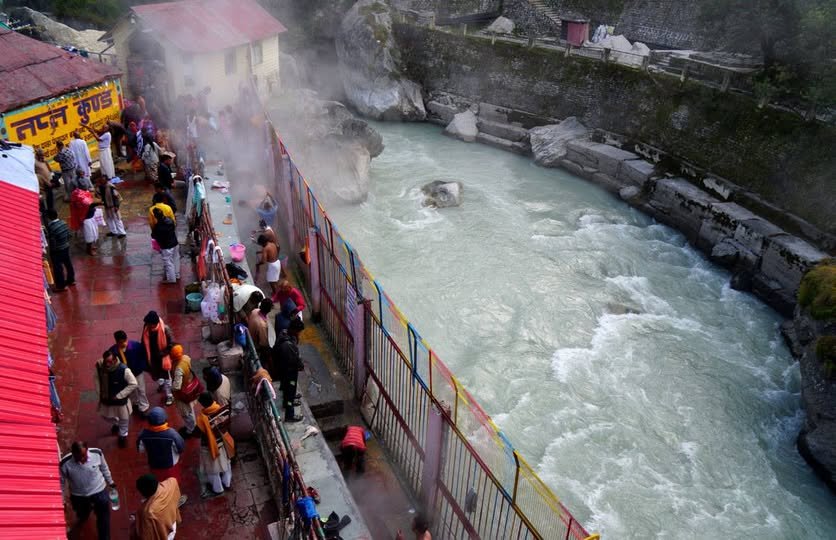
Tapt Kund is a natural hot water spring located near Badrinath Dham. The water temperature remains around 45°C throughout the year. Devotees believe that bathing in this sacred spring purifies the soul before entering the temple.

Nanda Devi National Park

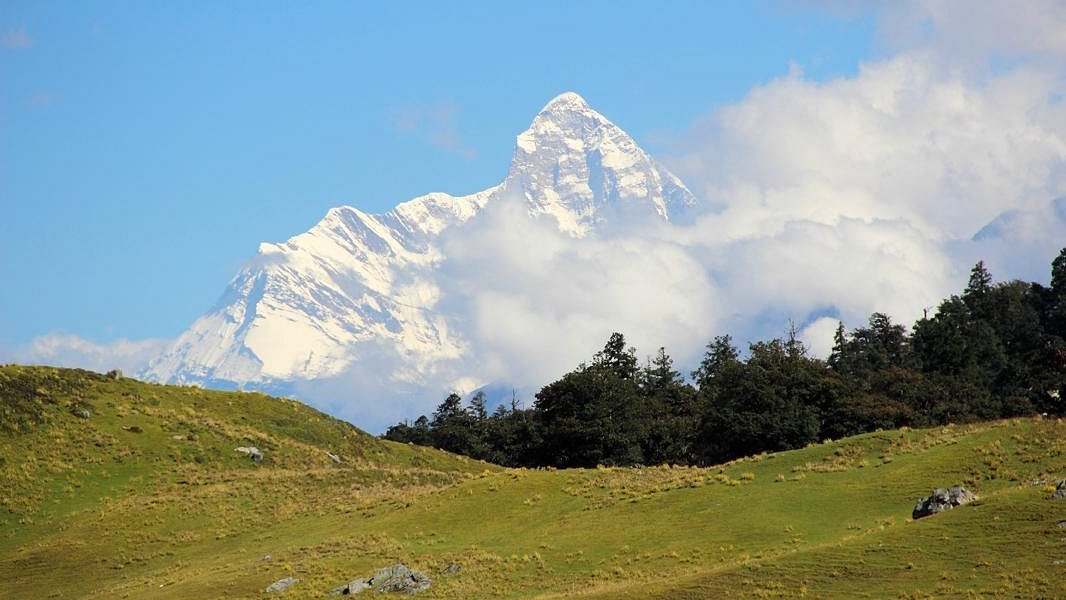
Nanda Devi National Park, part of the Nanda Devi Biosphere Reserve, is a UNESCO World Heritage Site known for its rich biodiversity. The park lies between the Zanskar Range and the Great Himalayas and spans across the districts of Chamoli, Pithoragarh, and Bageshwar.

Feel Free To Contact Us

Contact Form Demo

Featured Tour Packages

10 Days / 09 Night

Chardham Yatra Package From Haridwar
Min: 3 Pax

06 Days / 05 Night

Do Dham Yatra Package From haridwar
Min: 2 Pax

04 Days / 03 Night

Kedarnath Tour Package From Haridwar
Min: 4 Pax